140 Results for "

Hoodia gordonii (Masson) Sweet ex Decne.

" in MedChemExpress (MCE) Product Catalog:
Products (140)

140 Results for "Hoodia gordonii (Masson) Sweet ex Decne." in MCE Product Catalog:

9
9 Publications Verification
Cat. No.: HY-N0298
CAS No.: 471-87-4
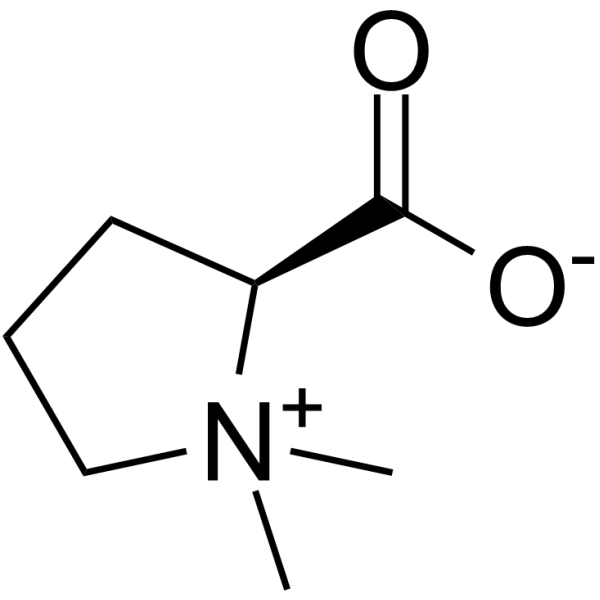
Stachydrine is a major constituent of Chinese herb leonurus heterophyllus sweet used to promote blood circulation and dispel blood stasis. Stachydrine can inhibit the NF-κB signal pathway.
4
4 Cited Publications
Cat. No.: HY-N8377
CAS No.: 205687-01-0
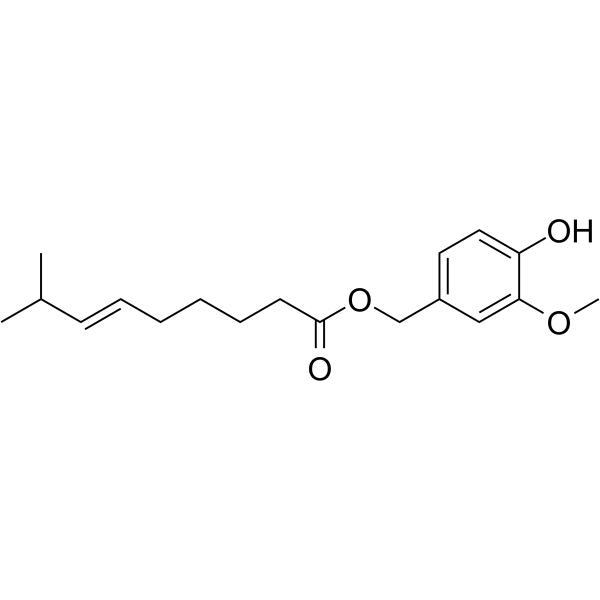
Capsiate, as a capsaicin analogue extracted from a non-pungent cultivar of CH-19 sweet red pepper, is an orally active agonist of TRPV1 .
3
3 Cited Publications
Cat. No.: HY-W030796A
CAS No.: 150436-68-3
Target:  

Taste Receptor

Research Areas:  

Metabolic Disease

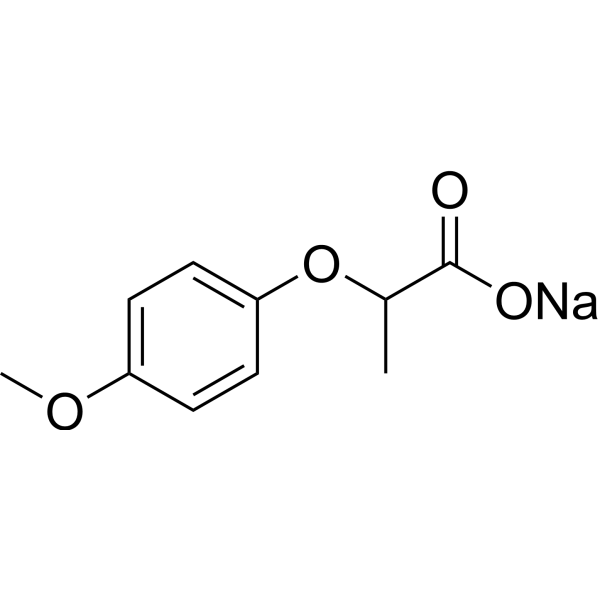
Lactisole is a canonical antagonist of sweet taste receptor, selectively targeting to T1R3 subunit, a glucose-sensing receptor. Lactisole inhibits insulin secretion induced by glucose in mouse islets .
3
3 Cited Publications
Cat. No.: HY-W030796
CAS No.: 13794-15-5
Target:  

Taste Receptor

Research Areas:  

Metabolic Disease

Lactisole free acid is a canonical antagonist of sweet taste receptor, selectively targeting to T1R3 subunit, a glucose-sensing receptor. Lactisole free acid inhibits insulin secretion induced by glucose in mouse islets .
1
1 Cited Publications
Cat. No.: HY-126367
CAS No.: 5141-20-8
Purity:  ≥75.0%
Synonyms: Acid Green 5
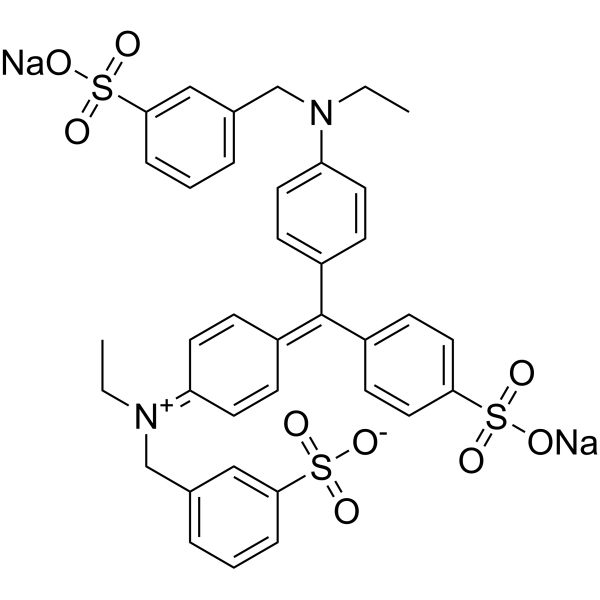
Light green SF yellowish (Acid Green 5) is a water-soluble triarylmethane dye. Light green SF yellowish serves as a histological stain that selectively labels mitochondria, collagen, and cartilage, while being an essential component of Papanicolaou staining. Light green SF yellowish is commonly used as a cytoplasmic counterstain for nuclear stains, and is applied in Masson's trichrome staining for collagen fibers, Pap staining, and cytological polychromatic staining in histopathology. Light green SF yellowish also induces growth inhibition and local fibrosarcomas in rats and exerts mild pulmonary tumorigenicity in mice .
1
1 Cited Publications
Cat. No.: HY-N2459
CAS No.: 134-01-0
Synonyms: YGM-6 chloride
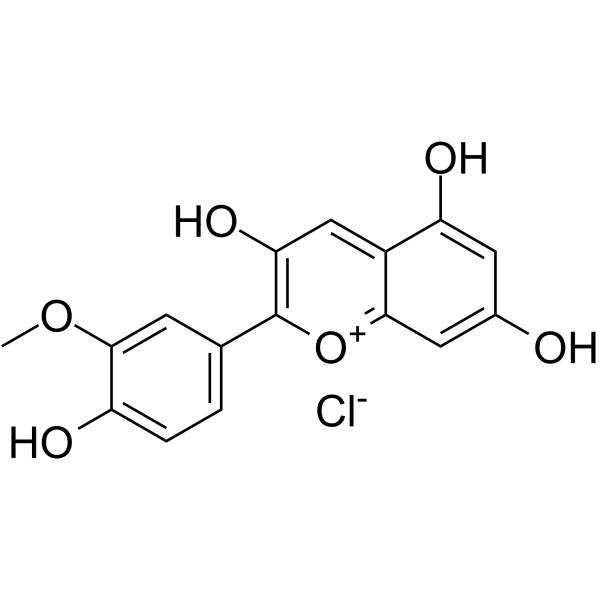
Peonidin (YGM-6) chloride is an anthocyanin compound found in plants such as grapes and purple-fleshed sweet potatoes. Peonidin chloride alone exerts no stable inhibitory effect on LPS (HY-D1056)-mediated inflammatory gene expression. The acylated form of Peonidin chloride exhibits antimutagenic activity .
1
1 Cited Publications
Cat. No.: HY-N6833
CAS No.: 1220616-44-3
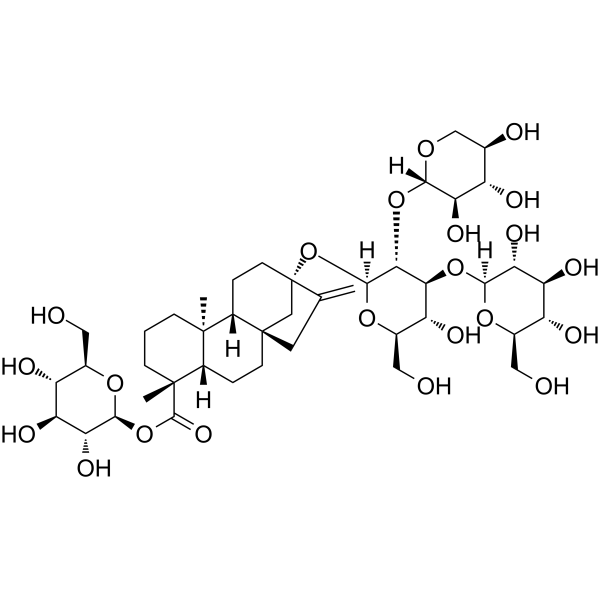
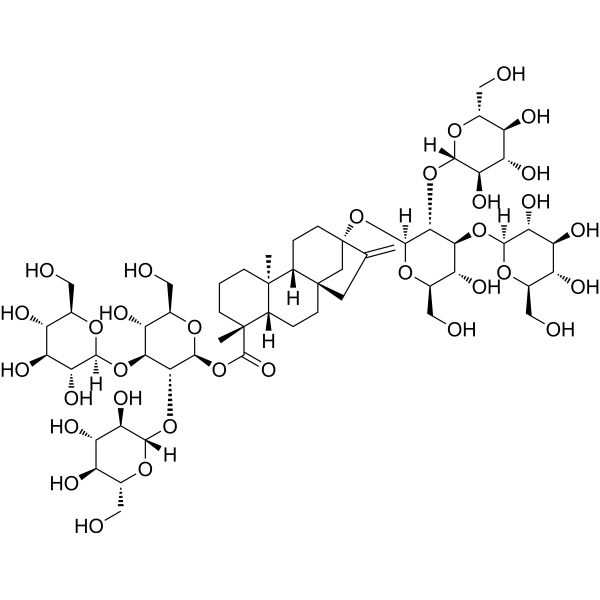
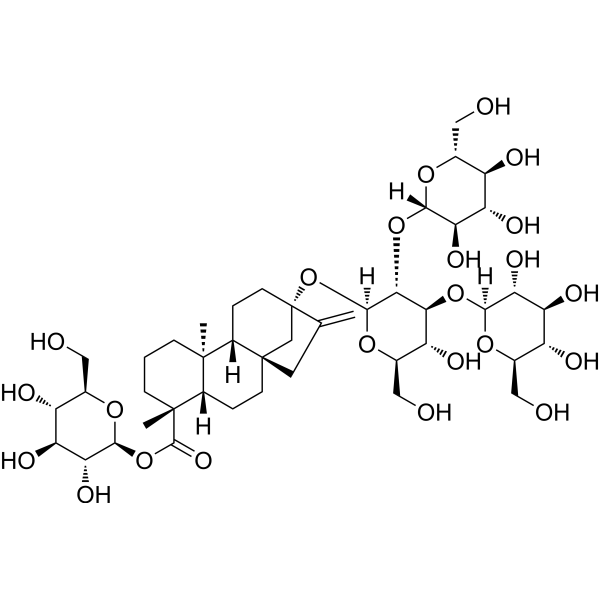
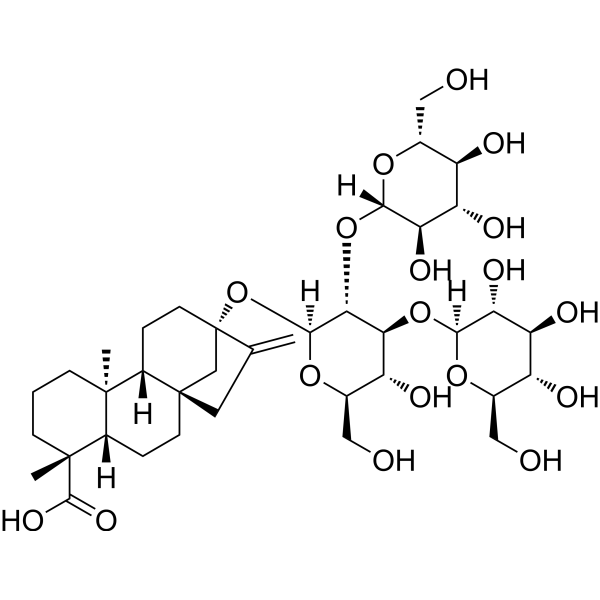
Rebaudioside M, a glycoside of the ent-kaurene diterpenoid aglycone, is a non-calorie sweetener isolated from Stevia rebaudiana. Rebaudioside M has antidiabetics, antihypertension, anti-inflammatory, antioxidant, anticaries and anticancer benefits. Rebaudioside M is more than 350 times sweeter than sucrose. Rebaudioside M can be used in food and beverage .
1
1 Cited Publications
Cat. No.: HY-139338
CAS No.: 13101-54-7
Purity:  ≥99.0%
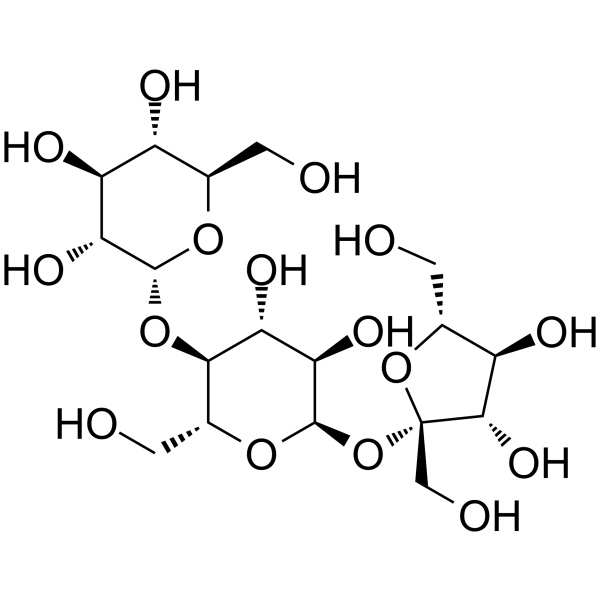
Erlose is a trisaccharide sucrose derivative and low-calorie sweetener synthesized from glucose and sucrose via an α-glucosidase-mediated transglycosylation reaction. Erlose is often used as a marker to identify whether honey is adulterated with artificial sucrose. Erlose has approximately half the sweetness of sucrose but a similar taste, and it effectively inhibits crystal formation and browning reactions during food heat treatment .
1
1 Cited Publications
Cat. No.: HY-N1983
CAS No.: 38395-02-7
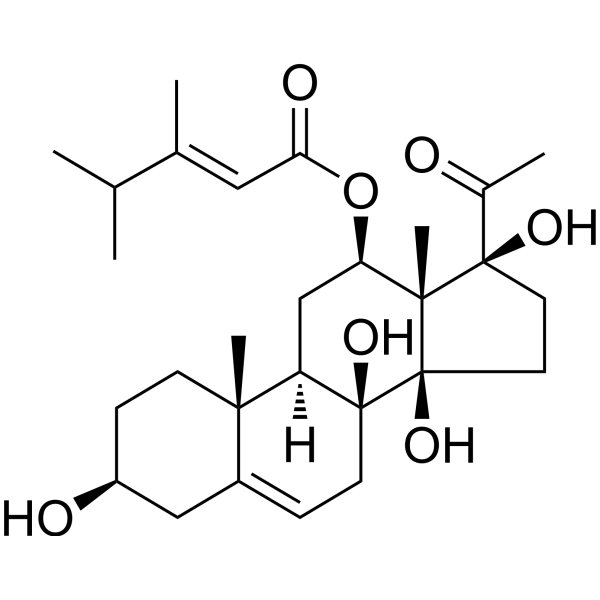
Caudatin is an orally active and brain-penetrant C-21 steroidal found in Cynanchum bungei decne with a variety of biological activities. Caudatin can inhibit cell proliferation, migration, invasion, cause cell phase arrest, induce apoptosis, autophagy, ROS prodution and loss of mitochondrial membrane potential. Caudatin activates PARP, caspase-3, -7, -9, upregulates pro-apoptotic Bad and Bax and downregulates anti-apoptotic Bcl-2 and Bcl-XL. Caudatin suppresses VEGF, FAK phosphorylation, upregulates p21, p27, DR5 protein expression, activates the p38 MAPK, JNK and PPARα/TFEB-mediated autophagy-lysosomal signaling pathways. Caudatin can be used for the research of cancer, inflammation and neurological disease, such as glioma and Alzheimer's disease .
Cat. No.: HY-N7364
CAS No.: 18794-84-8
Synonyms: trans-β-Farnesene
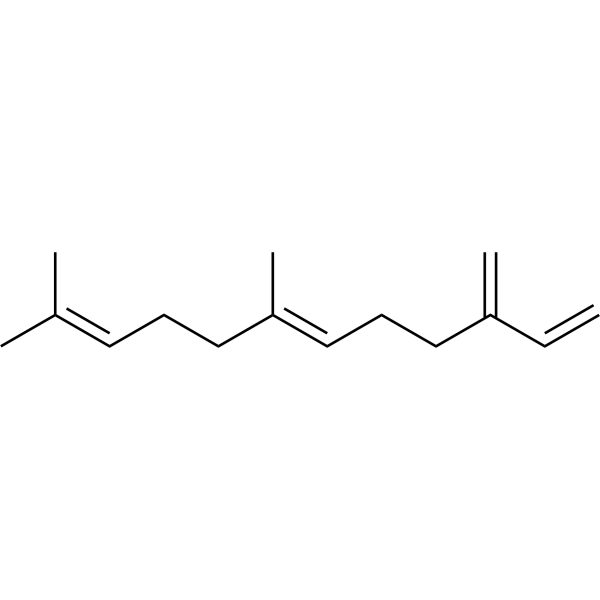
(E)-β-Farnesene (trans-β-Farnesene) is an aphid alarm pheromone, which can be found in Phlomis aurea Decne essential oil. (E)-β-Farnesene shows good binding score with a value of -30.64 kcal/mol to the CDK2 receptor. (E)-β-Farnesene also exhibits good affinity to odorant-binding protein 3 (OBP3). (E)-β-Farnesene can be used as a feeding stimulant for the sand fly Lutzomyia longipalpis .
Cat. No.: HY-N0466
CAS No.: 58543-16-1
Rebaudioside A is an orally effective steviol glycoside with high sweetness. Rebaudioside A acts as an inhibitor of α-glucosidase with an IC50 value of 35.01 μg/mL. Rebaudioside A increases the ATP/ADP ratio in β cells in a glucose-dependent manner, thereby inhibiting KATP channels, leading to membrane depolarization, calcium influx, and ultimately stimulating insulin secretion. Rebaudioside A activates the SREBP signaling pathway by inhibiting HMGCR, the rate-limiting enzyme in cholesterol synthesis, resulting in increased expression of LDLR on the cell surface, thus promoting the uptake of LDL-C in the blood. Rebaudioside A can be used for studies on blood glucose and lipid regulation as well as anti-obesity .
Cat. No.: HY-100551
CAS No.: 149-32-6
Purity:  99.73%
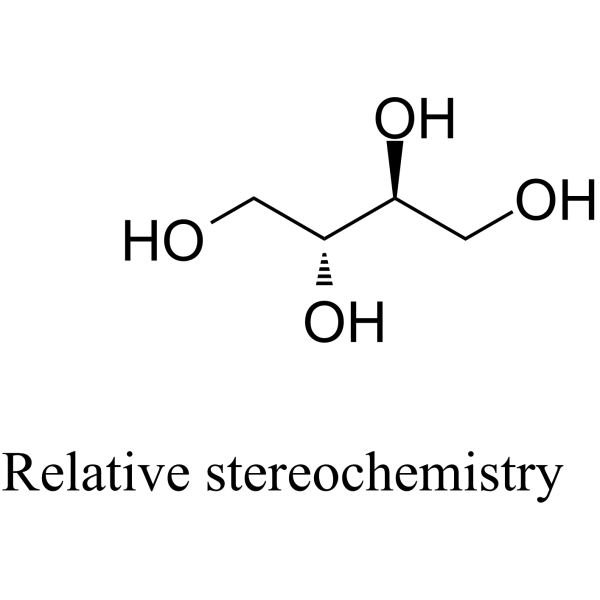
meso-Erythritol is a sugar alcohol that found in a variety of foods (e.g., pear, watermelon), is 60-80% as sweet as sucrose, and can be used as low-calorie sweetener food additives .
Cat. No.: HY-N0467
CAS No.: 63550-99-2
Synonyms: Dulcoside B
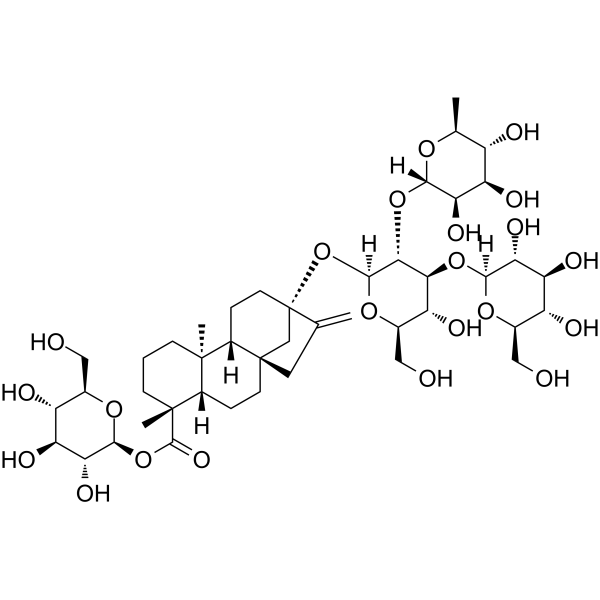
Rebaudioside C (Dulcoside B) is an orally effective natural sweetener that cannot pass the blood-brain barrier and selectively binds to human sweet taste receptors (TAS1R2/TAS1R3). The sweetness of Rebaudioside C is about 20-30 times that of sucrose, and its sweetness activity depends on the C-16/C-17 double bond structure and specific aglycones. The glycoside structure in the Rebaudioside C molecule can bind to the sweet taste receptor, activate the taste signal transduction pathway, and produce sweetness perception .
Cat. No.: HY-34487
CAS No.: 151-10-0
Synonyms: Resorcinol dimethyl ether
Research Areas:  

Others

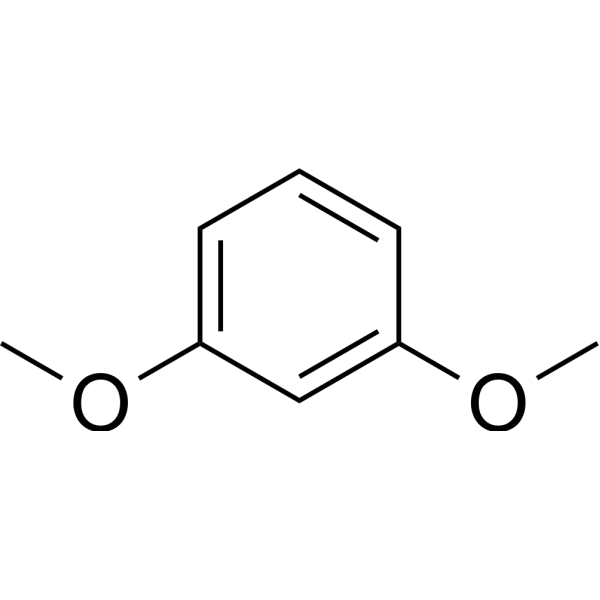
1,3-Dimethoxybenzene (Resorcinol dimethyl ether) is a volatile compound with a sweet medicinal odour carrying hazelnut, resinous, and woody notes. 1,3-Dimethoxybenzene is identified as a new volatile component of Douro region grape musts and port wines .
Cat. No.: HY-129847
CAS No.: 80863-62-3
Purity:  99.79%
Research Areas:  

Others

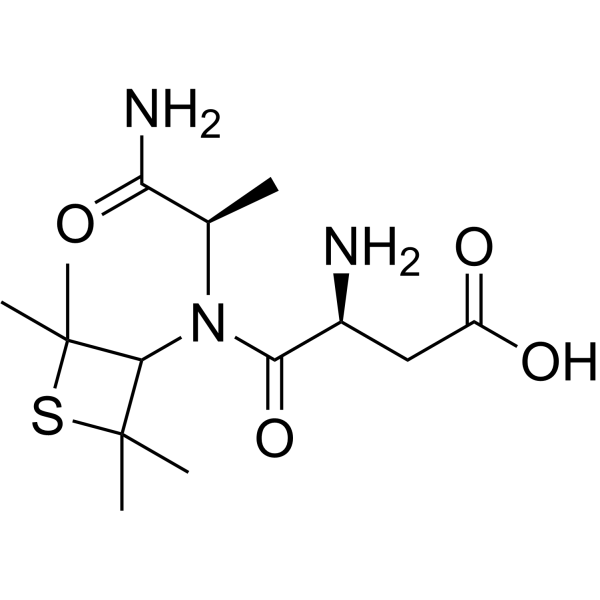
Alitame is a nonnutritive high-intensity sweetener, 2000 times sweeter than sucrose with no bitter or metallic aftertaste. Alitame is composed of L-aspartic acid, D-alanine, and a C-terminal amide moiety .
Cat. No.: HY-N6808
CAS No.: 58543-17-2
Rebaudioside B is the minor constituent isolated from the leaves of Stevia rebaudiana Bertoni. Rebaudioside B tastes about 150 times sweeter than sucrose. Rebaudioside B can hydrolysis to steviol .
Cat. No.: HY-W022036
CAS No.: 94-71-3
Synonyms: Guaethol; Guethol; NSC 180
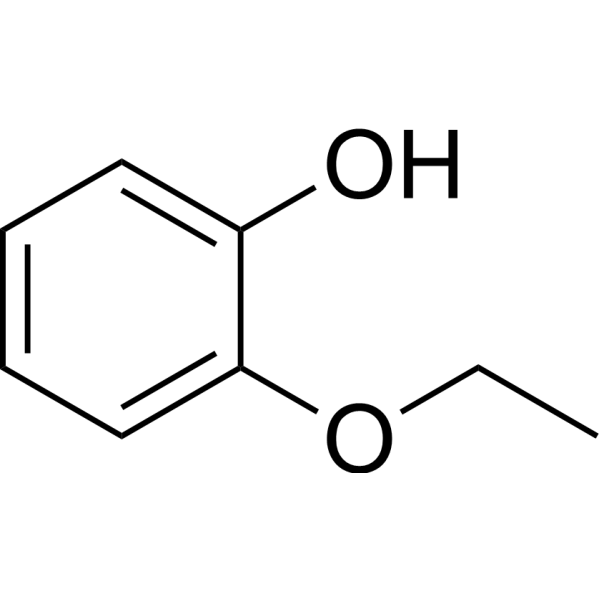
2-Ethoxyphenol, also known as guaiacol ethyl ether, consists of a phenolic ring and an ethoxy group connected to the 2-position. The compound has a sweet, smoky flavor and is commonly used as a flavoring in foods such as baked goods, candy and beverages.
Cat. No.: HY-119926
CAS No.: 15358-48-2
Synonyms: Hydroxylupanine
Target:  

Integrin

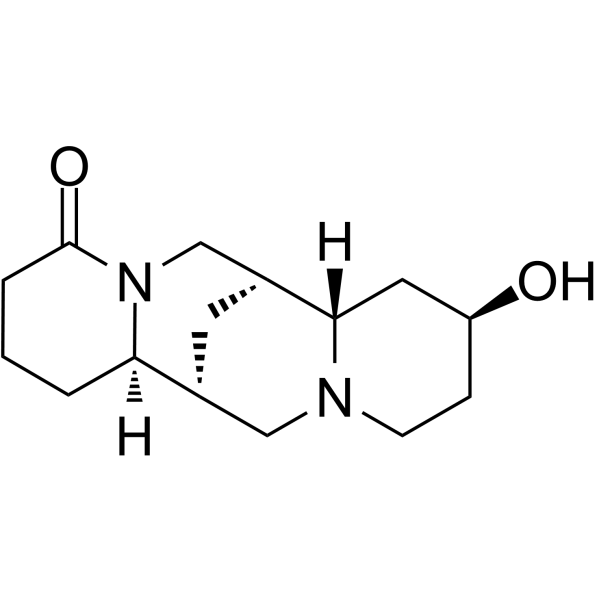
13-Hydroxylupanine (Hydroxylupanine) is the typical alkaloid profile of sweet lupins.13-Hydroxylupanine blocks ganglionic transmission, decreases cardiac contractility and contracts uterine smooth muscle .
Cat. No.: HY-N13668
CAS No.: 468757-69-9
Rhodomyrtone is an antibiotic that can be found in the leaves of Rhodomyrtus tomentosa. Rhodomyrtone kills Gram-positive bacterial cells without causing bacteriolysis. Rhodomyrtone exhibits activity against a variety of Gram-positive bacteria, including Bacillus cereus, Bacillus subtilis, Enterococcus faecalis, Staphylococcus epidermidis, Streptococcus gordonii, Streptococcus pneumoniae, Streptococcus pyogenes and Streptococcus salivarius. Rhodomyrtone is applicable to studies related to bacterial infections .
Cat. No.: HY-139091
CAS No.: 1359963-68-0
Purity:  99.85%
Target:  

Taste Receptor

Research Areas:  

Others

FEMA 4774 is a positive allosteric modulator of taste receptors T1R2 and T1R3, two subunits of the human sweet taste receptor. FEMA 4774 is also used as a sucrose sweetness enhancer .

